
Perfume longevity refers to the duration a fragrance remains perceptible on the skin after application. This concept is not only crucial for fragrance enthusiasts but also for anyone looking to make a lasting impression. The longevity of a perfume can vary significantly from person to person, influenced by individual body chemistry, lifestyle, and even emotional state. For some, a scent may linger for hours, while for others, it may fade within minutes. Understanding this variability is essential for selecting the right fragrance and ensuring it performs optimally throughout the day.
The perception of perfume longevity can also be subjective. What one person considers a long-lasting scent may not hold the same significance for another. Factors such as personal preferences, olfactory fatigue, and even the environment can alter how a fragrance is experienced over time. Therefore, it is vital to recognize that while some perfumes are designed to last longer than others, individual experiences will ultimately dictate how long a scent remains noticeable.
If you’re curious about how long perfume lasts on skin, you might also find it helpful to read an article on the best practices for applying fragrance to maximize its longevity. Understanding the right techniques can significantly enhance your scent experience. For more insights, check out this related article on fragrance application techniques at this link.
Factors Affecting Perfume Longevity
Several factors play a pivotal role in determining how long a perfume lasts on the skin. One of the most significant influences is skin type. Oily skin tends to hold fragrances longer than dry skin due to its natural oils, which can help to retain the scent molecules. Conversely, individuals with dry skin may find that their chosen fragrance dissipates more quickly. Additionally, external factors such as temperature and humidity can also impact how a perfume performs. For instance, warmer temperatures can intensify a fragrance, while cooler conditions may cause it to fade more rapidly.
The type of perfume itself is another critical factor in longevity. Different formulations, such as eau de parfum, eau de toilette, and eau de cologne, contain varying concentrations of fragrance oils and alcohol. Generally, eau de parfum has a higher concentration of fragrance oils compared to eau de toilette, leading to longer-lasting scents. Understanding these distinctions can help individuals make informed choices about which type of perfume will best suit their needs and lifestyle.
Skin Type and Perfume Longevity
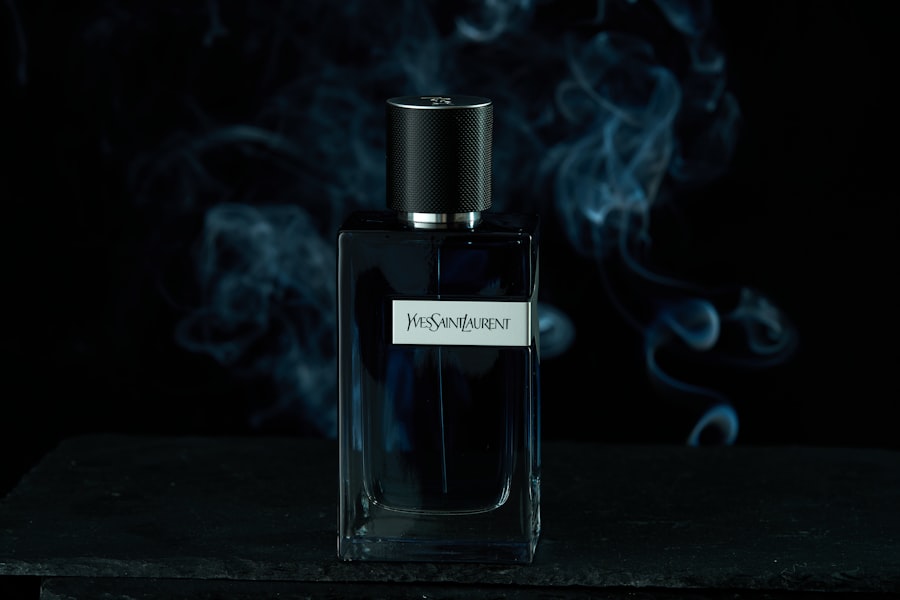
Skin type is a fundamental aspect that affects how long a perfume lasts on an individual. Oily skin types tend to retain fragrances better than dry skin types due to the natural oils present in the skin. These oils can act as a reservoir for scent molecules, allowing them to linger longer and be more pronounced throughout the day. On the other hand, those with dry skin may find that fragrances evaporate more quickly, leading to a shorter lifespan of the scent on their skin.
Moreover, factors such as hydration levels and skincare routines can also influence how a fragrance performs. For instance, individuals who regularly moisturize their skin may find that their chosen perfume lasts longer than those who do not. This is because moisturized skin provides a better surface for the fragrance to adhere to, enhancing its longevity. Therefore, understanding one’s skin type and taking appropriate measures can significantly impact the overall experience of wearing perfume.
Temperature and Perfume Longevity
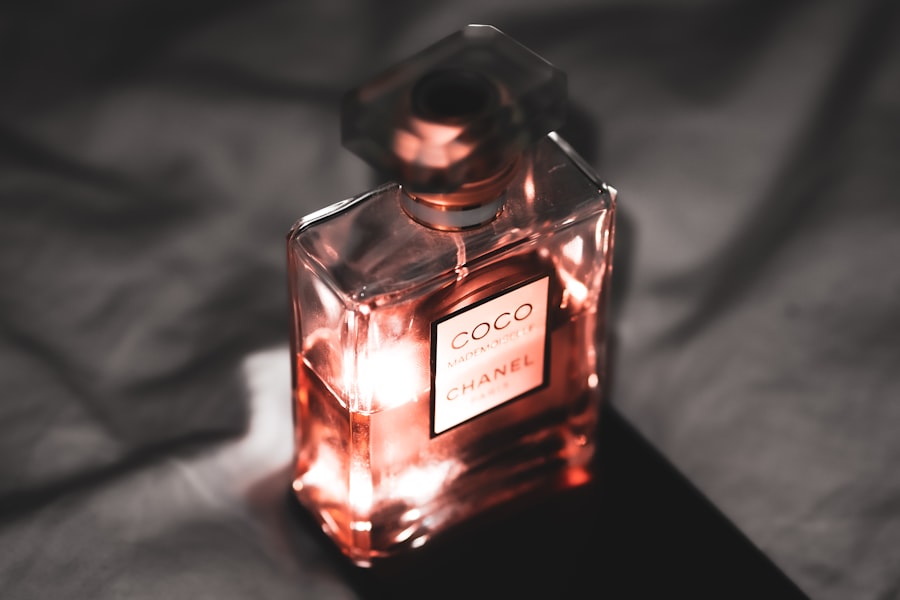
Temperature plays a crucial role in how long a perfume lasts on the skin. Heat can amplify the intensity of a fragrance, causing it to project more strongly but also potentially leading to quicker evaporation. In warmer climates or during hot weather, perfumes may seem to fade faster as the heat accelerates the breakdown of scent molecules. Conversely, cooler temperatures can slow down this process, allowing fragrances to linger longer on the skin.
Humidity is another temperature-related factor that can affect perfume longevity. In humid conditions, fragrances may become more pronounced due to increased moisture in the air, which can enhance their projection. However, excessive humidity can also lead to a quicker evaporation of lighter notes in a fragrance, altering its overall scent profile and longevity. Understanding how temperature and humidity interact with perfumes can help individuals choose when and where to wear their favorite scents for optimal performance.
If you’re curious about the longevity of your favorite fragrances, you might find it helpful to explore related topics such as the factors that influence scent duration. For a deeper understanding, check out this insightful article on how different skin types can affect perfume performance. This information can enhance your knowledge and help you make more informed choices when selecting and applying fragrances.
Types of Perfume and Longevity
| Type of Perfume | Average Duration on Skin | Notes |
|---|---|---|
| Parfum (Extrait de Parfum) | 6 to 8 hours | Highest concentration of fragrance oils (20-30%) |
| Eau de Parfum (EDP) | 4 to 6 hours | Concentration of 15-20% fragrance oils |
| Eau de Toilette (EDT) | 3 to 4 hours | Concentration of 5-15% fragrance oils |
| Eau de Cologne (EDC) | 2 to 3 hours | Concentration of 2-5% fragrance oils |
| Body Mist / Spray | 1 to 2 hours | Lowest concentration, often less than 3% |
The type of perfume chosen significantly influences its longevity on the skin. Eau de parfum typically contains a higher concentration of fragrance oils—usually between 15% to 20%—which allows it to last longer than eau de toilette or eau de cologne. Eau de toilette generally has a concentration of around 5% to 15%, making it lighter and often more suitable for casual wear or warmer weather when one might prefer a less intense scent.
Eau de cologne has an even lower concentration of fragrance oils—typically around 2% to 5%—and is designed for quick refreshment rather than long-lasting wear. While these lighter formulations can be delightful for their freshness and ease of use, they may require more frequent reapplication throughout the day. Understanding these differences in concentration can help individuals select the right type of perfume based on their desired longevity and occasion.
Tips for Prolonging Perfume Longevity
Discover a wide range of reading materials by exploring the aka best ebooks available online.
To maximize the longevity of a perfume on the skin, several tips and tricks can be employed. One effective method is to apply perfume immediately after showering when the skin is still slightly damp. This practice helps lock in moisture and provides an ideal base for the fragrance to adhere to. Additionally, using an unscented moisturizer before applying perfume can create a barrier that holds the scent longer.
Layering fragrances is another technique that can enhance longevity. This involves using complementary scented products such as body lotions or shower gels alongside the chosen perfume. By creating a multi-layered scent experience, individuals can ensure that their fragrance remains noticeable throughout the day. Furthermore, applying perfume to pulse points—such as wrists, neck, and behind the ears—can also help enhance its projection and longevity.
How to Apply Perfume for Longevity
The method of applying perfume can significantly impact its longevity on the skin. For optimal results, it is advisable to spray or dab perfume onto pulse points where blood vessels are closest to the skin’s surface. These areas generate heat, which helps diffuse the fragrance more effectively throughout the day. Common pulse points include the wrists, inner elbows, neck, and behind the ears.
Another important consideration is not to rub the wrists together after applying perfume. This action can break down the fragrance molecules and diminish its overall scent profile and longevity. Instead, allowing the perfume to dry naturally on the skin will help preserve its integrity and ensure that it lasts longer.
Testing Perfume Longevity
Testing the longevity of a perfume is essential for anyone looking to make an informed purchase or selection. One effective method is conducting wear tests by applying the fragrance in the morning and monitoring its performance throughout the day. Observing how often reapplication is necessary can provide valuable insights into its longevity.
Scent strip tests are another useful approach for evaluating perfume longevity before committing to a full bottle. By spraying a scent strip and allowing it to dry, individuals can assess how long they can detect the fragrance over time without applying it directly on their skin. This method allows for an initial evaluation of longevity while considering personal body chemistry later on.
Extending Perfume Longevity Throughout the Day
To maintain the longevity of a perfume throughout the day, individuals can adopt several strategies for refreshing their scent without needing full reapplications. Carrying travel-sized versions of their favorite fragrances allows for easy touch-ups whenever necessary. Additionally, using scented body mists or sprays that complement their primary fragrance can provide an instant refresh without overwhelming the senses.
Another effective method is to apply a small amount of unscented lotion or oil on pulse points before applying perfume. This technique creates a moisturizing barrier that helps lock in the scent while providing hydration throughout the day.
Perfume Longevity in Different Environments
The environment in which one wears perfume can significantly impact its longevity and overall performance. In humid climates, fragrances may project more strongly due to increased moisture in the air; however, they may also evaporate more quickly if they are lighter formulations like eau de toilette or cologne. Conversely, in dry environments, perfumes may last longer but could require more frequent reapplication due to rapid evaporation.
Understanding how different environments affect fragrance performance allows individuals to make informed choices about when and where to wear specific scents. For example, opting for heavier or more concentrated perfumes during colder months or in dry climates may yield better results than lighter scents.
In summary, understanding perfume longevity is essential for anyone looking to enjoy their favorite fragrances fully. Factors such as skin type, temperature, and the type of perfume all play significant roles in determining how long a scent lasts on an individual’s skin. By employing various tips and techniques—such as proper application methods and layering—individuals can enhance their fragrance experience and ensure that their chosen scents remain noticeable throughout the day.
Ultimately, recognizing that each person’s experience with perfume longevity will differ allows for greater appreciation of this art form. With careful consideration and experimentation, anyone can find ways to make their favorite fragrances last longer while enjoying every moment they wear them.
FAQs
How long does perfume typically last on the skin?
Perfume generally lasts between 3 to 8 hours on the skin, depending on factors such as the fragrance concentration, skin type, and environmental conditions.
What factors influence the longevity of perfume on the skin?
The longevity of perfume is influenced by the fragrance concentration (eau de parfum lasts longer than eau de toilette), skin type (oily skin retains scent longer than dry skin), application method, and external factors like temperature and humidity.
Does the type of perfume concentration affect how long it lasts?
Yes, perfumes with higher concentrations of fragrance oils, such as parfum or eau de parfum, tend to last longer on the skin compared to lighter concentrations like eau de toilette or cologne.
How can I make my perfume last longer on my skin?
To extend the life of your perfume, apply it to moisturized skin, target pulse points (wrists, neck, behind ears), avoid rubbing the fragrance in, and consider layering with matching scented body products.
Do different skin types affect how long perfume lasts?
Yes, oily skin tends to hold fragrance longer because oils help retain scent molecules, while dry skin may cause perfume to fade more quickly due to lack of natural oils.